Foraging Sloes, Haws and Rosehips: An Autumn Hedgerow Walk
October 10, 2026 - Outdoors


October 10, 2026 - Outdoors
October 09, 2026 - Outdoors
October 05, 2026 - Crafts

October 04, 2026 - Crafts
If you have a corner of the garden that does nothing much, a pile of pruned branches and a few spare bricks, you already have most of a bug hotel. This isn't a project that needs expensive kit or a perfectly level site. It's a Saturday morning job that children can genuinely help with, and the result earns its keep within a season or two.
What makes the difference between a decorative stack that stays empty and a structure that hums with life is the detail: which materials you use, how tightly you pack them and where you put the finished thing. Get those right and you'll be rewarded with solitary bees nesting in the canes, beetles tucked under the logs and, if you're lucky, a hedgehog using the base as a winter bolthole.
Gardens have become tidier over the decades. Dead wood gets carted to the tip, hollow stems get shredded, and the gaps under sheds and behind borders get filled in. All of that removes the nooks and crannies that insects and small mammals rely on for shelter, nesting and overwintering. A bug hotel is really just a way of putting some of that mess back, deliberately and neatly.
The payoff isn't only wildlife. Solitary bees and hoverflies are pollinators, ladybirds and ground beetles eat aphids and slugs, and a resident hedgehog will happily hoover up vine weevil larvae and other pests. You're building a small habitat, not just an ornament.
Almost everything can come from your own garden or a neighbour's pruning pile. The one thing worth buying is bamboo or hollow plant stems, if you don't already grow something suitable.
Avoid anything treated with preservative, painted, or plastic-coated. Also skip glass, plastic bottles and anything that will hold water and turn stagnant.
Work from the ground up. The base should sit directly on soil or gravel, not on a paved patio, because ground contact lets beetles, centipedes and other soil dwellers move in.
Lay two rows of bricks with gaps between them, forming a rough rectangle. Those gaps become crevices for frogs, toads and beetles. If you have room, leave one section open and fill it with dry leaves — a hedgehog will appreciate a low, dry cavity at ground level.
Stack logs crosswise so air can still move through. Bark-on logs are best: the gap between bark and wood is prime beetle real estate. Take a couple of logs and drill holes into the cut ends, 6–10mm wide and about 8cm deep. Solitary bees and wasps will use these. Angle them very slightly downward so rain doesn't run in, and don't drill right through.
Aim the canes horizontally, pointing outwards, and pack them tightly — loose bundles get ignored. Slightly different diameters matter too, because different bee species need different tunnel widths. Cut the canes so the ends are flush rather than splintered; bees will avoid damaged entrances. Push the tubes back into a frame or between two bricks so they don't slide out.
Twigs, dry leaves, straw and small stones can fill the awkward spaces. Compact them gently but don't cram them so tight that nothing can move. A little loose material on top of the pile gives overwintering ladybirds somewhere to tuck in.
Rest a slate or tile on top with a slight overhang and a small tilt so water runs off. Secure it with a couple of bricks if your garden is windy. The whole structure works better when it's solid — a wobbly hotel that collapses in a storm shelters nobody.
Site matters as much as construction. A few rules of thumb:
Height matters less than people think. Ground level suits beetles and mammals; the middle layers suit bees; the top suits ladybirds and lacewings. If you're short of space, a single stacked pallet against a wall will do the job — a small, well-packed hotel beats a grand one with hollow gaps.
Solitary bees are usually the first residents, appearing in spring and sealing their tubes with mud or leaves. Leafcutter bees will trim neat half-moons from your roses to do it, which is a fair trade. Earwigs, woodlice and centipedes will colonise the damp lower layers. Lacewings and ladybirds often shelter in the dry, loose material over winter. Frogs, toads and slow worms may use the crevices if your garden is damp or near a pond.
Don't expect instant occupation. Some species need a season to find it. A hotel that sits empty through its first summer is normal.
A few materials cause more harm than good, and it's worth being strict about them.
Also resist the urge to clean it out. Old tubes with mud plugs may contain next year's bees. Only replace material if a section has clearly rotted or fallen apart, and do that in late summer once nesting is finished.
Check the hotel after winter storms and re-seat the roof if it has slipped. Top up loose leaf litter in autumn. If bamboo canes start to split or go mouldy, swap them for fresh ones in late summer and keep the old ones nearby in a quiet corner so anything inside can still emerge.
Then do the least glamorous but most important thing: plant for it. A bug hotel with nothing to eat nearby is a shelter with no larder. A few lavender, foxgloves, hellebores and herbs within a few metres will keep your new residents fed, and that's when the whole thing starts to earn its place in the garden.
Photo: Unifillibanon / Pixabay
A seasonal guide to spotting sloes, haws and rosehips in British hedgerows, picking them without stripping the bush,...
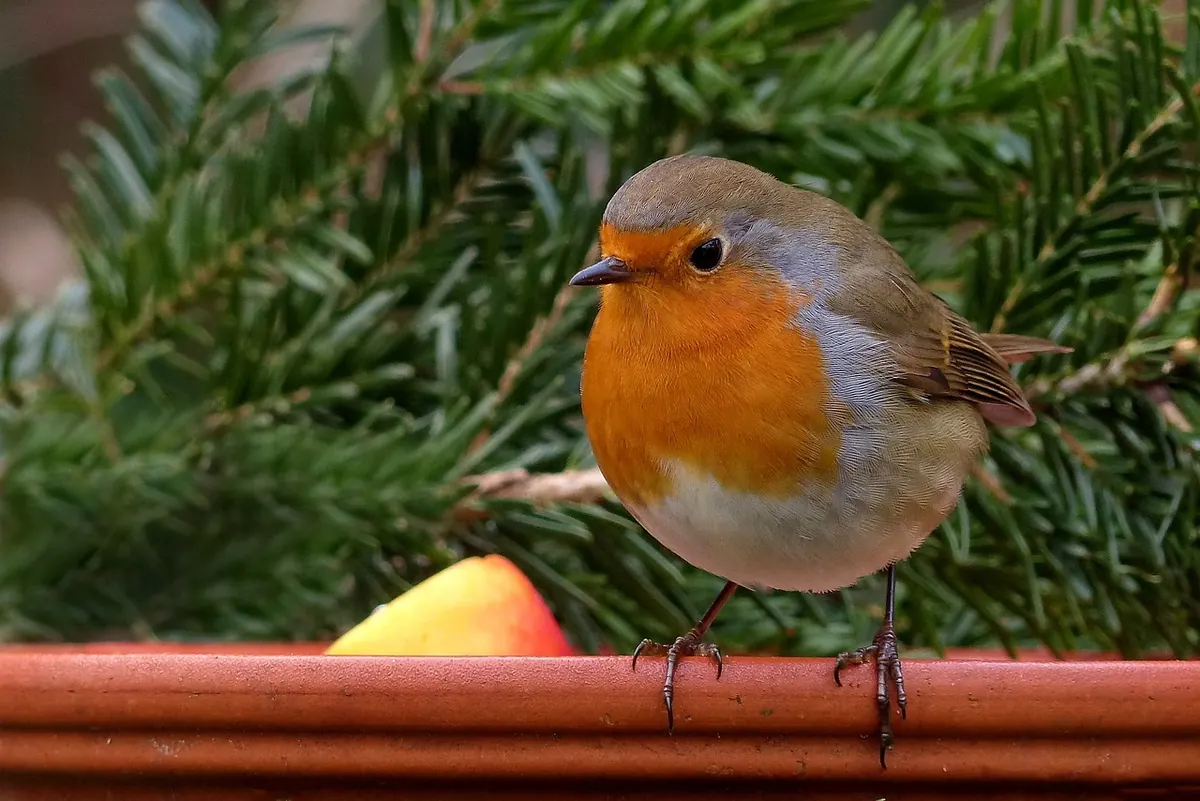
A beginner's tickable guide to the most common UK garden birds, pairing each one's markings with its call and the...
October 10, 2026 - Outdoors
October 09, 2026 - Outdoors
October 05, 2026 - Crafts
Copyright © 2026 Sprig Page. All Right Reserved.